The strings you choose have a bigger effect on your guitar than almost anything else you can buy for it. They shape your tone, how easy the guitar is to play and how it feels under your fingers. With so many options on the wall, though, it’s hard to know where to start.
This guide walks you through everything that matters: gauge, materials, coated versus uncoated, matching strings to your style, and how often to change them.
Understanding String Gauges
The gauge is the thickness of the string, measured in thousandths of an inch. A high E string labelled .010 is 0.010 inches thick. Sets are usually named after their thinnest and thickest strings, so a “10-46” set runs from .010 to .046.
Light gauge
Typically .009 to .010 on electric guitars, or .011 to .012 on acoustics.
- Pros: easy to fret and bend, kind to beginners’ fingers, great for fast lead playing.
- Cons: a little less volume and sustain, and more prone to buzzing on guitars with low action.
Medium gauge
Around .011 on electric, .012 to .013 on acoustic.
- Pros: a good balance of playability and tone, with more volume and sustain than light strings. A versatile choice for many styles.
- Cons: need more finger strength to fret and bend.
Heavy gauge
From .012 upwards on electric (for example 12-54) and .013 upwards on acoustic (for example 13-56).
- Pros: a fuller, louder sound with more sustain, and they hold their tension in lower tunings. Great for hard strumming.
- Cons: harder to bend and press down, and more tension on the neck.
How to choose a gauge
- Beginners: start light. A 9 or 10 set on electric, or an 11 or 12 set on acoustic, is much easier on your fingers.
- Rock, metal and lower tunings: go heavier (11 and up) to keep the strings tight and the sound clear when you tune down.
- Blues, jazz and fingerstyle: a medium gauge gives you a nice balance of playability and warmth.
If you’re unsure, 10-46 is the classic electric guitar gauge for a reason. We explain why in Why Ernie Ball Regular Slinkys Are the Gold Standard.
Tip: changing gauge changes the tension on your neck. If you move up or down a size, your guitar may need a quick adjustment of the neck relief, action and intonation. That’s exactly what a guitar setup is for.
String Materials and Your Sound
Electric guitar strings
- Nickel-plated steel: the most common type. Bright and balanced, with a steel core for punch and a nickel coating that’s smooth on the fingers and gentle on the frets. Best for: rock, blues and almost everything else.
- Pure nickel: warmer and more vintage-sounding, with a softer, rounder tone. Best for: jazz, blues and vintage rock.
- Stainless steel: bright and cutting, resistant to corrosion and long-lasting. Best for: metal, punk and high-gain styles.
Acoustic guitar strings
- 80/20 bronze: 80% copper and 20% zinc. Bright and crisp, they cut through a mix and record well. Best for: bluegrass, country and bright strumming.
- Phosphor bronze: warmer and more balanced, and they tend to last longer. Best for: singer-songwriters, folk and fingerstyle.
- Silk and steel: a layer of silk between core and winding makes them softer to play, with a mellower tone and lower tension. Best for: gentle fingerstyle and folk.
Coated vs Uncoated Strings
Coated strings have a thin polymer layer that protects them from sweat, dirt and corrosion.
Coated strings
- Last much longer
- Feel smoother and squeak less
- Cost more, and some players find them a little less bright
Uncoated strings
- Brighter, more natural tone
- Cheaper, so better if you change strings often
- Wear out faster, especially with sweaty hands or in a humid room
Choosing Strings for Your Style
- Rock and metal: nickel-plated or stainless steel in a heavier gauge for punch and clarity under distortion. Thicker gauges if you tune down.
- Blues and jazz: pure nickel for warmth. Lighter gauges if you bend a lot.
- Country and bluegrass: brightness is key. 80/20 or phosphor bronze on acoustic, nickel-plated steel on electric.
- Fingerstyle and folk: phosphor bronze for warmth, or silk and steel for a softer feel.
Your pick matters too. Thicker picks bring out more body, thinner picks more jangle. See our beginner’s guide to choosing a plectrum.
How Often Should You Change Your Strings?
Signs it’s time:
- The strings look dull, discoloured or rusty
- Your tone has lost its brightness and sustain
- They feel rough or sticky, or won’t stay in tune
General guide:
- Casual players: every two to three months
- Regular players: every three to four weeks, or more often if you gig
- Coated strings: roughly twice as long as uncoated
Changing strings is also the perfect moment to clean and condition your fretboard. We use our own GuitarBuddy Fretboard Wax.
Shop Strings at GuitarBuddy
We stock a focused range of strings we’d happily put on our own guitars:
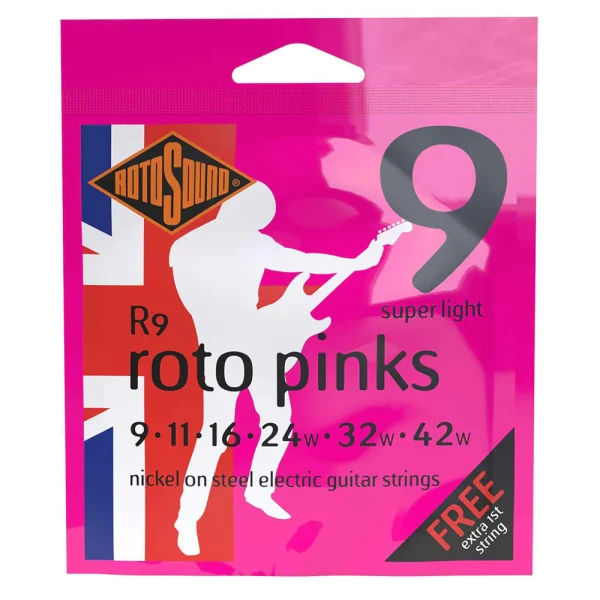
- Electric guitar strings, including Ernie Ball Regular Slinky (10-46), Super Slinky (9-42) and Beefy Slinky
- Acoustic guitar strings, including Ernie Ball Earthwood Light Phosphor Bronze
- Bass guitar strings
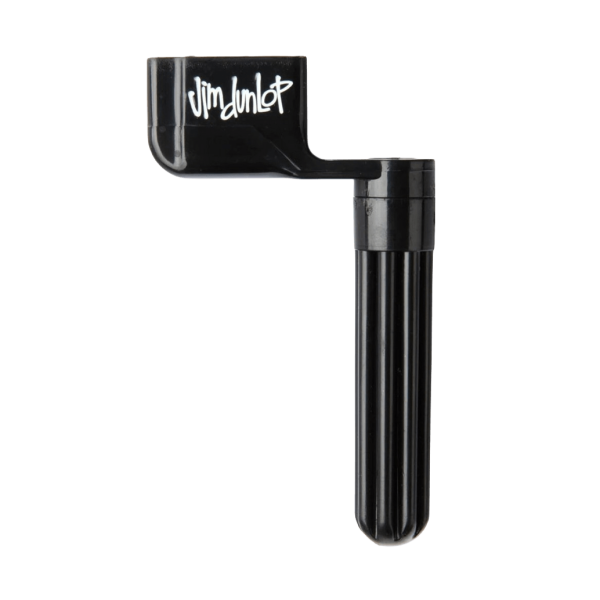
A string winder makes changing them a lot quicker.
Conclusion
The right strings make your guitar feel and sound like yours. Think about gauge, material, coating and your style of music, and don’t be afraid to try a few sets until you find your favourite.
Need a Hand?
Not sure which strings suit your guitar, or want them fitted along with a proper setup? GuitarBuddy is based in Zandvoort and works with players in Haarlem, Aerdenhout and Amsterdam. Every setup includes fresh strings. Have a look at our guitar setup and repair services or get in touch.