The cable is the most overlooked part of most rigs. Players spend hours choosing pickups and pedals, then plug in with whatever cable came free with their first amp. But your cable is part of your signal chain, and it can change your sound, especially with passive pickups.
Why a Cable Can Change Your Tone
Every instrument cable has capacitance: a small electrical property that, combined with your passive pickups, acts like a gentle treble filter. The more capacitance, the more high end gets rolled off. And capacitance adds up with length.
In practice:
- A short, good-quality cable keeps your sound bright and clear.
- A very long or poorly made cable can make your guitar sound darker and less defined.
The effect is subtle with a 3 metre cable and much more noticeable at 10 metres or more. If you play through lots of pedals, a buffered pedal early in the chain reduces the effect. Guitars with active pickups are much less sensitive to cable capacitance.
The Bigger Problem: Unreliable Cables
In our experience, cheap cables cause far more problems through failure than through tone. Crackles, intermittent cut-outs and hum are often a worn cable rather than the guitar. If you’re chasing a noise, try another cable first. Our guide to what causes guitar electronics noise covers the other usual suspects.
What to Look For in a Cable
Length
Use the shortest length that’s comfortable. 3 metres is plenty for home practice and most small stages. Go longer only if you really need to move around.
Jack type
- Straight jacks are the standard and fit everything.
- Angled (right-angle) jacks are great for guitars with a front-mounted jack, like Les Pauls and SGs, and for pedalboards. They put less strain on the jack and are less likely to snag.
Outer jacket
- Rubber/PVC: flexible, affordable and easy to coil.
- Braided (woven): tougher, less prone to tangling and kinking, and it looks good. Ideal if your cable lives in a gig bag.
Build quality
Good connectors, solid strain relief where the cable meets the jack, and proper shielding. These make a cable last and keep it quiet.
Our Picks
We stock two Ernie Ball cables that cover most needs:
- Ernie Ball 3m Classic Instrument Cable (straight): a reliable, no-fuss cable for home and rehearsal.
- Ernie Ball 3m Braided Instrument Cable with Angle Jack: tougher braided jacket, with an angled jack for front-mounted outputs.
Browse all our guitar cables.
Make Your Cables Last
- Coil them loosely using the over-under method, not around your elbow.
- Unplug by the jack, never by pulling the cable.
- Don’t stand on them or run them under chair legs.
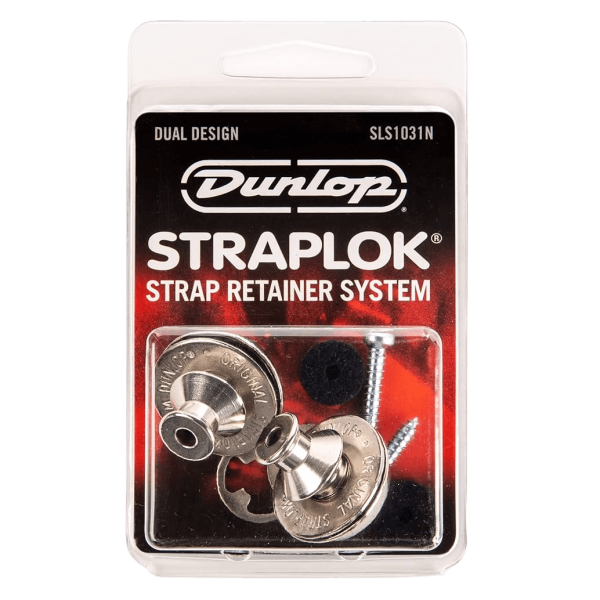
- Loop the cable through your strap before plugging in, so a tug pulls the strap rather than the jack. Even better, fit strap locks so a tug can’t pull the guitar off your shoulder.
The Bottom Line
You don’t need an expensive boutique cable, but you do need a decent one. A good 3 metre cable keeps your tone clear and, more importantly, keeps working. It’s one of the cheapest upgrades in your rig.
If you’re running a modeller or multi-effects unit, the same rules apply. See our NUX MG-300 review and Quad Cortex Mini review.