The Ultimate Guide to Choosing the Right Strings for Your Guitar
Whether you’re an experienced guitarist or just starting out, the strings you choose play a significant role in your instrument’s tone, playability, and overall feel. With so many different types of guitar strings on the market, it can be overwhelming to know which set is the best fit for your playing style and instrument. In this guide, we’ll explore everything you need to know about choosing the right strings for your guitar, covering key aspects such as string gauges, materials, and how they impact your sound.
1. Understanding String Gauges
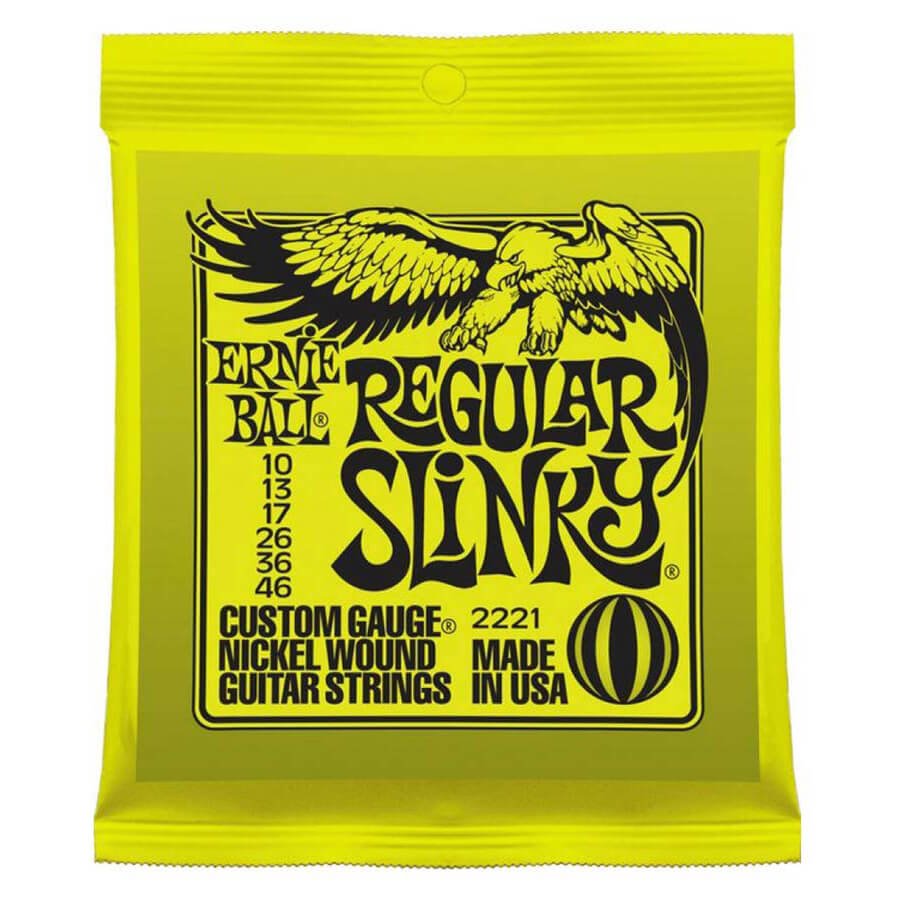
One of the first things you’ll notice when buying strings is the variety of thicknesses or “gauges” available. The gauge refers to the diameter of the string, measured in thousandths of an inch. For example, a high E string might be labeled as .010, meaning it’s 0.010 inches thick.
Light vs. Heavy Gauge Strings
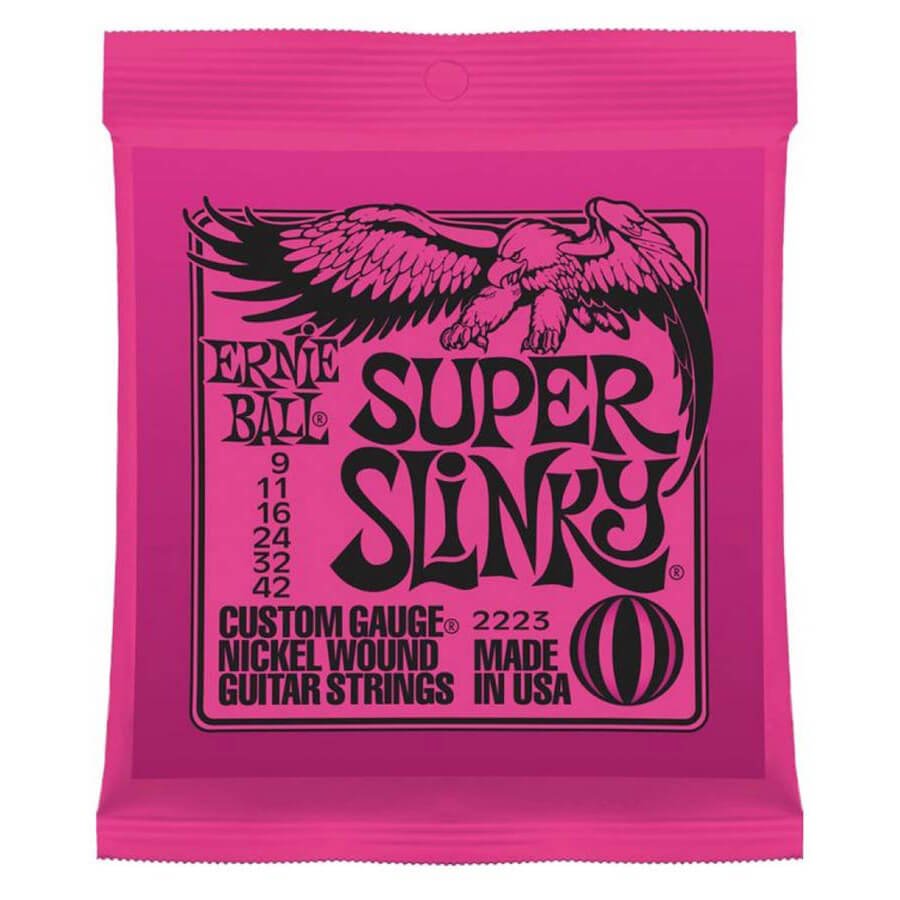
- Light Gauge Strings (e.g., .009 to .011 for electric guitars)
Pros: - Easier to bend and fret, making them ideal for beginners or players who prefer a softer touch.
- Great for lead playing and fast solo work because they require less finger pressure.
Cons: - Can produce less volume and sustain.
- More prone to fret buzz, especially on guitars with low action.
- Medium Gauge Strings (e.g., .012 to .014 for acoustics)
Pros: - Provide a good balance between playability and tone, making them a versatile choice for many styles of music.
- More projection and sustain compared to lighter gauges.
Cons: - Requires more finger strength to fret and bend.
- Not ideal for fast, intricate solos or lighter playing styles.
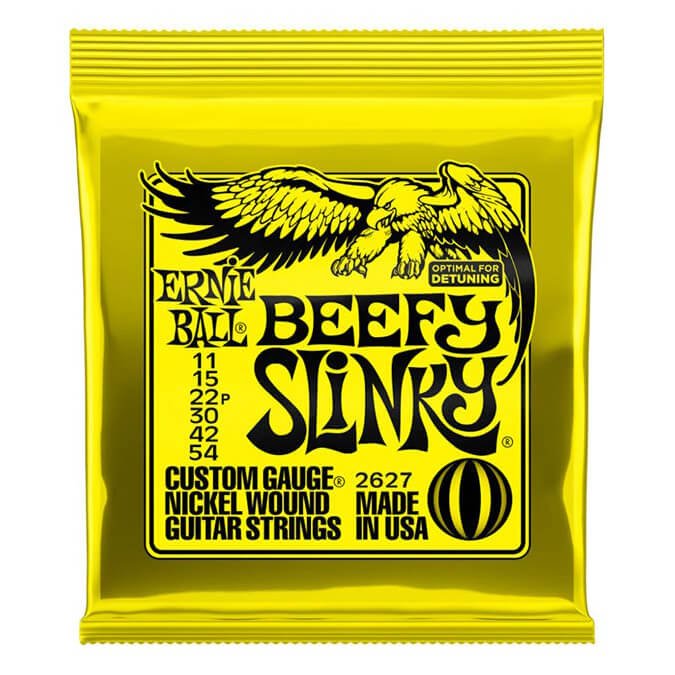
- Heavy Gauge Strings (e.g., .013 to .056 for acoustics or .012 to .054 for electrics)
Pros: - Produce a fuller, louder sound with more sustain and resonance.
- Ideal for lower tunings or aggressive strumming styles.
Cons: - Can be difficult to bend and press down, especially for beginners.
- Higher tension can cause more strain on your guitar’s neck over time.
How to Choose the Right Gauge for You:
- For beginners, lighter gauge strings (such as .009 or .010 for electric, .011 or .012 for acoustic) are often recommended because they’re easier on the fingers.
- If you play hard rock, metal, or use down-tuned guitars, heavier strings (.011 or higher) are better for maintaining tension and avoiding a muddy sound in lower tunings.
- For blues, jazz, or fingerstyle, medium gauge strings strike a nice balance, giving you both playability and warmth.
2. String Materials: What They Mean for Your Sound
In addition to gauge, the material your strings are made of has a significant impact on your guitar’s tone. Here’s a breakdown of the most common materials used for both electric and acoustic guitars.
Electric Guitar Strings
- Nickel-Plated Steel
- The most common type of electric guitar string, nickel-plated steel offers a bright, balanced tone. The nickel coating provides smoothness and reduces fret wear, while the steel core delivers a punchy, articulate sound.
- Best for: Rock, blues, and most other genres.
- Pure Nickel
- These strings produce a warmer, more vintage tone compared to nickel-plated steel. They’re great for players who prefer a softer, mellower sound.
- Best for: Jazz, blues, and vintage rock.
- Stainless Steel
- Known for their bright, cutting tone, stainless steel strings are corrosion-resistant and last longer than other types. They provide more treble and clarity, which can be ideal for heavy metal and other high-gain styles.
- Best for: Metal, punk, and high-output genres.
Acoustic Guitar Strings
- 80/20 Bronze
- Made from 80% copper and 20% zinc, these strings offer a bright, crisp tone that cuts through a mix, making them a favorite for recording.
- Best for: Bright, articulate playing styles, like bluegrass and country.
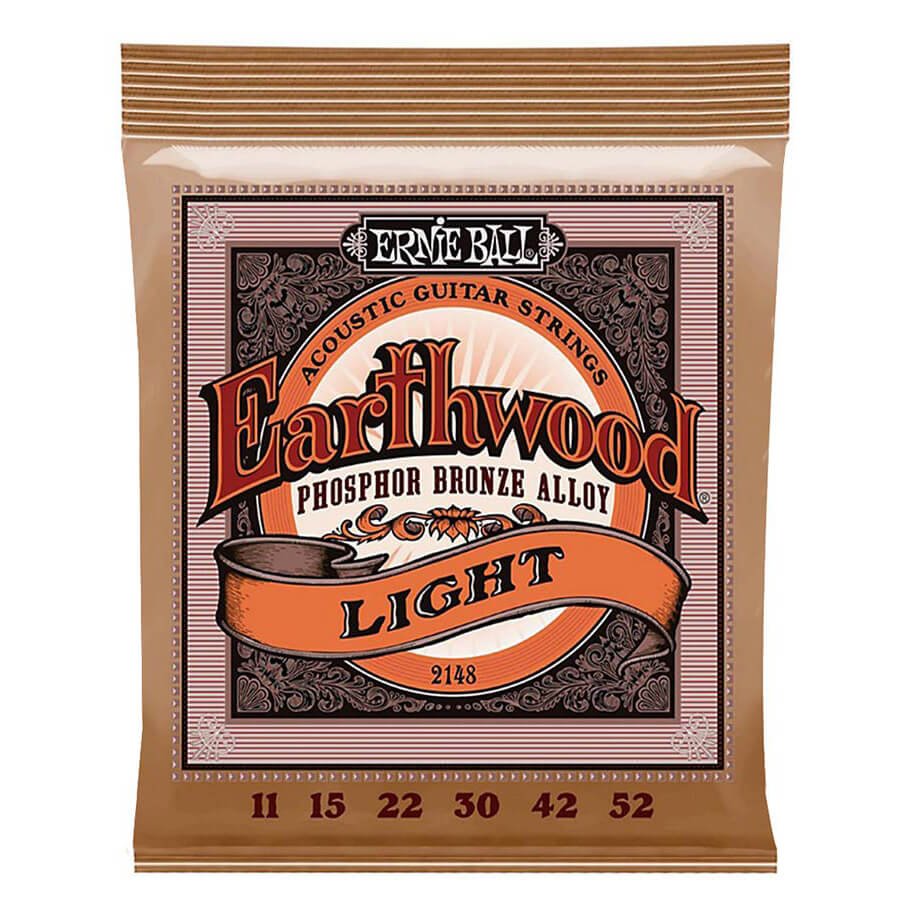
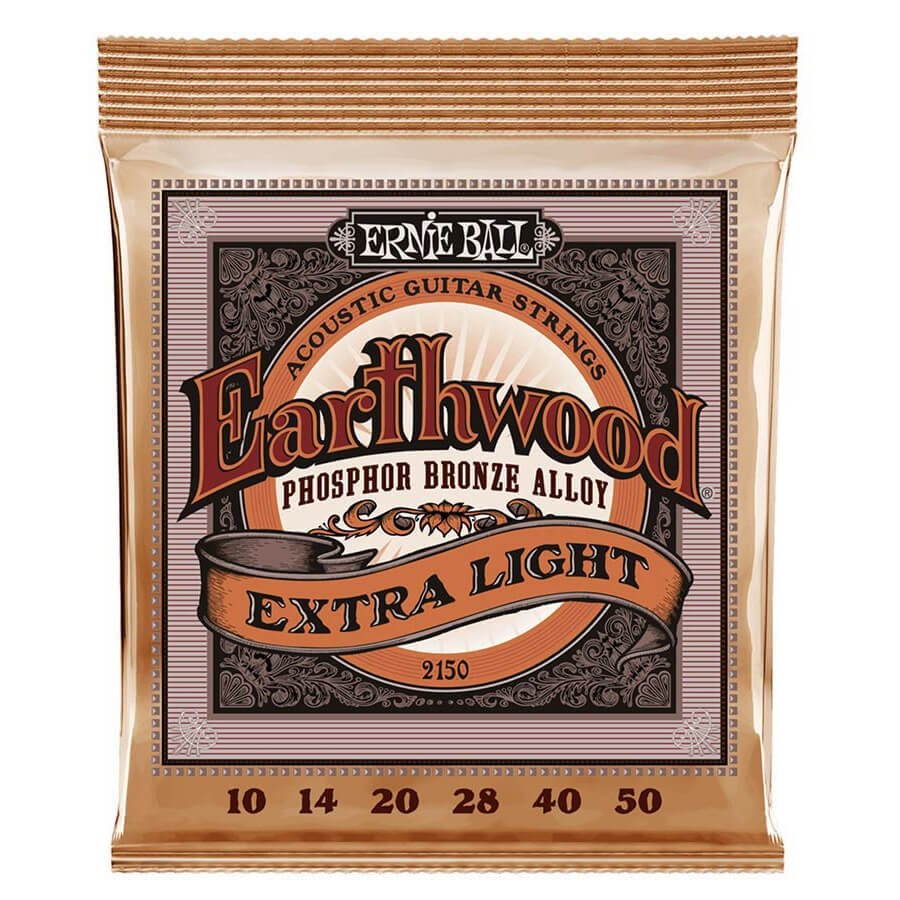
- Phosphor Bronze
- These strings have a similar composition to 80/20 bronze but with added phosphor, which gives them a warmer, more balanced tone with longer life.
- Best for: Singer-songwriters, folk, and fingerstyle players who want warmth and depth.
- Silk and Steel
- Featuring a layer of silk between the steel core and winding, these strings are softer to the touch and produce a mellower tone with less tension.
- Best for: Fingerstyle playing and softer genres like folk or classical-inspired arrangements.
3. Coated vs. Uncoated Strings
A relatively recent innovation in string manufacturing is the development of coated strings. Coating involves applying a thin layer of polymer to the surface of the strings, which protects them from dirt, oils, and other contaminants that cause wear and tear.
Coated Strings:
- Pros:
- Last longer due to the protective coating that resists corrosion.
- Feel smoother under the fingers, reducing finger squeak during playing.
- Cons:
- Generally more expensive than uncoated strings.
- Some players feel that coated strings have a slightly muted tone compared to uncoated strings.
Uncoated Strings:
- Pros:
- Tend to have a brighter, more natural tone, as there’s no coating to dampen the vibration of the strings.
- More affordable, making them ideal for players who change strings frequently.
- Cons:
- Wear out faster, especially for players who have sweaty hands or play in humid environments.
- More susceptible to rust, corrosion, and dirt buildup.
4. Choosing Strings Based on Playing Style and Genre
When selecting strings, your playing style and genre can provide important clues:
- Rock and Metal:
- Heavier gauge nickel-plated steel or stainless steel strings are popular for their durability, punch, and ability to handle distortion without losing clarity.
- Down-tuned players often opt for thicker gauges to maintain tension.
- Blues and Jazz:
- Pure nickel strings provide a warmer, mellower tone that suits these genres. Players who like to bend notes frequently may prefer lighter gauges to facilitate easy string bending.
- Country and Bluegrass:
- For these genres, brightness and clarity are key. Bronze or phosphor bronze strings for acoustic guitars and nickel-plated steel for electrics help to cut through the mix.
- Fingerstyle and Folk:
- Acoustic players in these genres often prefer phosphor bronze strings for their warmth and smoothness. Silk and steel strings are also popular for their softer feel and reduced tension.
5. How Often Should You Change Strings?
The frequency with which you change your strings depends on several factors, including how often you play, your playing environment, and the type of strings you use.
- Signs it’s time to change your strings:
- Strings have become discolored or rusty.
- There’s a noticeable loss in tone, brightness, or sustain.
- Strings feel sticky or hard to tune.
General Guidelines:
- Casual players: Every 2-3 months.
- Frequent players: Every 3-4 weeks, or more frequently if you gig often.
- Coated string users: You can typically go twice as long between changes compared to uncoated strings.
Conclusion
Choosing the right strings for your guitar is an essential part of shaping your sound and improving your playability. By considering factors like gauge, material, coating, and playing style, you’ll be able to find the perfect set of strings to match your needs.
At Guitar Buddy, we’re here to help you with all your guitar needs, from selecting the right strings to full-scale repairs and custom setups. If you’re unsure about what strings to choose or need help installing them, don’t hesitate to reach out to us through our website, guitarbuddy.nl. Your sound starts with the right strings!
Shop guitar products